
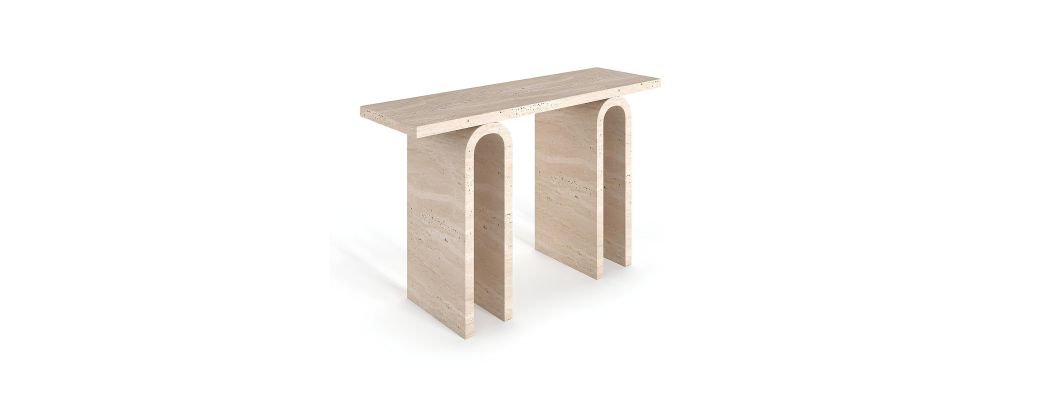
TAŞA DOKUNMAK VE MEKANIN RUHU
İç mimaride trendler rüzgar gibidir; hızla eser, yön
değiştirir ve bazen ardında hiçbir iz bırakmadan kaybolur. Ancak bazı
malzemeler vardır ki, onlar rüzgar değil, dağın kendisidir. İşte traverten dresuar, bu sarsılmaz kalıcılığın mobilya formuna bürünmüş halidir.
Evinizin kapısını açtığınızda sizi karşılayan o ilk mobilya,
sadece anahtarlarınızı bıraktığınız bir yüzey değildir. O, evinizin "hoş
geldin" cümlesidir. Son yıllarda yükselen "Biophilic Design"
(Biyofilik Tasarım) akımıyla birlikte, insanlar beton yığınlarının içinde
doğaya duydukları özlemi, evlerine taşıdıkları doğal materyallerle gidermeye
çalışıyor. Plastik, sunta veya soğuk metallerin aksine, bir traverten
dresuar nefes alır. Dokunduğunuzda milyonlarca yıl süren bir jeolojik
oluşumun serinliğini ve yaşanmışlığını hissedersiniz.
Bu rehberde, bir mobilyadan çok daha fazlasını; bir yaşam
tarzı ikonunu inceleyeceğiz. Neden dünyanın en ünlü tasarımcıları, Roma
Kolezyumu'nu inşa eden bu taşı bugün modern salonların baş köşesine koyuyor?
Cevap, travertenin kusurlu güzelliğinde (Perfectly Imperfect) saklı.
JEOLOJİK MİRAS – TRAVERTENİN DOĞUŞU VE KİMYASI
Bir traverten dresuar satın aldığınızda, aslında bir
zaman kapsülü satın alırsınız. Bu taşın hikayesi, insanlık tarihinden çok daha
eskiye dayanır.
Yeraltındaki Simya
Traverten, teknik olarak bir kireçtaşı (limestone) türevidir
ancak oluşum şekli onu eşsiz kılar. Yeraltı suları, magma tabakasına yakın
yerlerden geçerken ısınır ve bol miktarda karbondioksit ile kalsiyum karbonatı
(CaCO3) bünyesine katar. Bu sular yeryüzüne çıktığında (kaplıcalar veya
mağaralar yoluyla), basınç azalır, karbondioksit uçar ve kalsiyum karbonat
çökelmeye başlar.
İşte traverten dresuar yüzeyinde parmaklarınızı
gezdirdiğinizde hissettiğiniz o gözenekler, çukurlar ve dokusal boşluklar; bu
çökelme esnasında taşın içinden geçen sıcak su buharlarının, gaz
baloncuklarının ve organik bitki kalıntılarının bıraktığı izlerdir. Bu yüzden
hiçbir traverten dresuar diğerinin aynısı olamaz. Her biri, oluştuğu
kaynağın mineral yapısına, suyun akış hızına ve sıcaklığına göre benzersiz bir
parmak izine sahiptir.
Renklerin Dili
Traverten sadece bej değildir. İçindeki mineraller taşa renk
verir:
Demir Oksitler: Taşa sarı, kırmızı ve pas rengi
tonlarını verir. Organik Maddeler: Gri, mavi ve siyah tonların oluşumunu
sağlar. Saf Kalsit: Fildişi ve beyaza yakın en temiz tonları (Ivory)
oluşturur.
Bir traverten dresuar seçerken, aslında o taşın
çıktığı coğrafyanın mineral haritasını evinize serersiniz. Türkiye
(Denizli/Pamukkale), İtalya (Tivoli/Roma) ve İran, dünyanın en kaliteli
traverten yataklarına ev sahipliği yapar.
MERMER VS. TRAVERTEN – BÜYÜK KARŞILAŞTIRMA
Müşterilerin en sık düştüğü ikilem: "Mermer mi
almalıyım, traverten mi?" Her ne kadar ikisi de doğal taş olsa da,
karakterleri gece ve gündüz kadar farklıdır.
Oluşum Farkı (Genetik Kodlar)
Mermer: Metamorfik (başkalaşım) bir kayaçtır.
Kireçtaşının yeraltında aşırı ısı ve basınca maruz kalarak yeniden
kristalleşmesiyle oluşur. Bu yüzden çok sert, pürüzsüz ve damarlıdır. Traverten:
Tortul (sedimanter) bir kayaçtır. Katman katman birikir. Bu yüzden daha
yumuşak, gözenekli ve sıcak bir dokusu vardır.
Atmosfer Etkisi
Eğer salonunuzda "Ben buradayım, bana bakın!" diye
bağıran, parlak, lüks ve biraz mesafeli bir mobilya istiyorsanız mermer
seçmelisiniz. Ancak; "Huzur, dinginlik, doğallık ve samimiyet"
arıyorsanız, kesinlikle traverten dresuar tercih etmelisiniz. Mermer
soğuktur, traverten ise topraksı tonlarıyla mekana sıcaklık (coziness) katar.
Çizilme ve Dayanıklılık
Mermer daha serttir ancak asitlere karşı traverten kadar
hassastır. Traverten dresuar, mat (honlu) yapısı sayesinde, zamanla
oluşabilecek kılcal çizikleri mermere göre çok daha iyi gizler. Parlak mermer
üzerindeki bir çizik hemen göze batarken, travertenin doğal dokusu içindeki
ufak yaşanmışlık izleri, taşa karakter katarak "Wabi-Sabi"
felsefesini destekler.
TASARIM DİLİ – TRAVERTEN DRESUARIN ESTETİK ANATOMİSİ
Bir traverten dresuar, sadece bir taş bloğu değildir.
Onu bir sanat eserine dönüştüren şey, tasarımcının vizyonu ve ustanın el
işçiliğidir.
Formların Gücü
Monolitik Tasarımlar: Tek parça gibi görünen, ek
yerleri gizlenmiş, blok halindeki tasarımlar. Brutalist mimariyi sevenler için
idealdir. Ağır, yerinden oynamayan ve heykelsi bir duruşu vardır. Sütun
Ayaklı Modeller: Antik Roma mimarisine gönderme yapan, silindir ayaklar
üzerine oturtulmuş kalın tablalar. Bu modeller, traverten dresuar
arayanlar arasında en popüler olanlardır. Şelale (Waterfall) Tasarım:
Üst tablanın kenarlardan 90 derece kıvrılarak yere kadar indiği, kesintisiz taş
akışı sağlayan modern modeller.
Damar Kesimi: Vein Cut vs. Cross Cut
Bir traverten dresuar alırken sormanız gereken en
teknik soru şudur: "Bu taş nasıl kesildi?"
Vein Cut (Su Yolu Kesim - Türk Kesimi): Bloklar,
oluşum katmanlarına dik olarak kesilir. Sonuçta, ahşap damarlarına benzeyen,
birbirine paralel uzun çizgiler oluşur. Modern ve akışkan bir görünüm verir. Cross
Cut (Ters Kesim - Amerikan Kesimi): Bloklar, katmanlara paralel kesilir.
Damarlar kaybolur, yerini bulutsu, hareli ve çiçekli desenler alır. Daha sakin
ve homojen bir yüzey sağlar.
Evinizin tarzı modern ve dinamikse "Vein Cut" bir traverten
dresuar; daha klasik veya country tarzındaysa "Cross Cut" tercih
etmelisiniz.
TEKNİK DETAYLAR – YÜZEY İŞLEMLERİ VE DOLGU
Travertenin en büyük özelliği olan delikler (kaviteler),
mobilya kullanımında bir tercih meselesidir.
Dolgulu mu, Dolgusuz mu? (Filled vs. Unfilled)
Dolgulu (Filled): Travertenin yüzeyindeki delikler,
fabrikada özel bir dolgu maddesi (çimento esaslı veya şeffaf reçine) ile
kapatılır. Sonuçta pürüzsüz, düz bir yüzey elde edilir. Traverten dresuar
üzerinde yazı yazacaksanız veya temizliğin çok pratik olmasını istiyorsanız
dolgulu modelleri seçmelisiniz. Dolgusuz (Unfilled): Delikler olduğu
gibi bırakılır. Taşın en ham ve doğal halidir. Dokunsallık ön plandadır. Ancak
bu deliklere toz dolabilir veya üzerine bardak koyarken dikkatli olmanız
gerekebilir. Genellikle dresuarın ayaklarında dolgusuz, üst tablasında dolgulu
yüzey kullanmak en iyi "hibrit" çözümdür.
Yüzey Bitişleri (Finishing)
Honed (Honlu): En çok tercih edilen yüzeydir. Mat,
satensi ve pürüzsüzdür. Işığı yansıtmaz, emer. Traverten dresuar için en
asil duruşu sağlar. Polished (Cilalı): Parlaktır. Travertenin doğal
yapısına biraz aykırıdır ancak klasik sevenler için bir seçenektir. Tumbled
(Eskitme): Taşın kenarları kırılır, yüzey aşındırılır. Sanki 2000 yıllık
bir harabeden çıkarılmış gibi antik bir hava verilir. Brushed (Fırçalı):
Yüzey çelik fırçalarla taranır. Hafif pütürlü, kaymaz ve dokulu bir yüzey
oluşur.
DEKORASYON VE STİL – TRAVERTEN DRESUAR HANGİ EVLERE
YAKIŞIR?
Traverten, "bukalemun" özelliğine sahip nadir
materyallerdendir. Doğru aksesuarlarla hemen hemen her stile uyum sağlar.
Japandi (Japon ve İskandinav Melezi)
Japonların sadeliği ile İskandinavların fonksiyonelliğinin
birleşimi. Traverten dresuar, bej tonları ve organik kusurlarıyla bu
tarzın "anahtar parçasıdır". Üzerine koyacağınız tek bir kuru dal
veya el yapımı seramik vazo ile mükemmel uyum sağlar.
Modern Rustik
Köy evi sıcaklığının şehirli yorumu. Ham ahşap parkeler,
keten koltuklar ve honlu yüzeye sahip bir traverten dresuar... Bu üçlü,
modern rustik tarzın kutsal üçlüsüdür.
Minimalizm
Minimalizm, eşya azlığı değil, anlam çokluğudur. Beyaz
duvarların önünde duran, heykelsi forma sahip bir traverten dresuar,
mekandaki odak noktasını oluşturur ve başka bir dekora ihtiyaç bırakmaz.
MEKAN KURGUSU – EVİN HANGİ KÖŞESİNDE, NASIL KULLANILMALI?
Bir dresuarın yeri sadece antre değildir. İşte yaratıcı
kullanım alanları:
Antre (Giriş) - İlk İzlenim
Evinizin kartviziti. Traverten dresuar üzerine
asacağınız yuvarlak veya asimetrik büyük bir ayna, alanı genişletirken taşın
dokusunu da yansıtır. Üzerine şık bir anahtarlık kasesi ve kokulu mum ekleyerek
misafirlerinizi lüks bir koku ve görüntüyle karşılayın.
Salon - Kanepe Arkası (Sofa Table)
Eğer salonunuzda koltuğunuz odanın ortasında duruyorsa,
arkasındaki boşluk genelde ölü alandır. Koltuk sırtı yüksekliğinde uzun bir traverten
dresuar, burayı harika bir sergileme alanına dönüştürür. Üzerine abajurlar
koyarak akşamları loş bir ortam yaratabilirsiniz.
Koridorlar - Geçiş Alanları
Uzun ve sıkıcı koridorları sanat galerisine çevirin. Dar
(30-35 cm derinliğinde) bir traverten dresuar, geçişi engellemeden
koridora derinlik katar.
Yatak Odası - Makyaj Masası
Alçak bir traverten dresuar, üzerine konulacak bir
ayna ile ultra lüks bir makyaj masasına dönüşebilir. Taşın serinliği, yatak
odasında spa etkisi yaratır.
SATIN ALMA REHBERİ – KALİTEYİ NASIL ANLARSINIZ?
İnternette veya mağazada gördüğünüz her traverten dresuar
aynı kalitede değildir. Paranızı çöpe atmamak için şu kontrol listesini
uygulayın:
Plaka Kalınlığı: Üst tabla en az 2 cm (ideali 3 cm)
olmalıdır. Daha ince plakalar kırılmaya meyillidir. Renk Homojenliği:
Doğal taşta renk farkı normaldir, ancak dresuarın ayakları ile üst tablası
arasında uçurum olmamalıdır (Biri çok koyu, biri çok açık olmamalı, aynı
bloktan kesilmeli). Dolgu Kalitesi: Eğer dolgulu bir model alıyorsanız,
dolgunun rengi taşla birebir uyumlu mu? Dolgu malzemesi zamanla çökme yapmış
mı? (Kaliteli dolgu pürüzsüzdür). Paketleme: Traverten kargoda kırılmaya
en müsait ürünlerden biridir. Satıcıya "Ahşap sandık (kasa) ile mi
gönderiyorsunuz?" diye mutlaka sorun. Sadece kartona sarılmış bir traverten
dresuar muhtemelen kırık gelecektir.
BAKIM VE KORUMA – TAŞIN ÖMRÜNÜ UZATAN SIRLAR
Traverten yaşayan bir taştır ve ilgi ister. Korkmayın,
bakımı zor değil, sadece "bilinçli" olmak gerekir.
Altın Kural: Asitten Uzak Durun!
Traverten kalsiyum karbonattır. İlkokul kimya dersinden
hatırlayalım: Asit + Karbonat = Reaksiyon (Erime). Limon suyu, sirke, şarap,
portakal suyu veya kireç sökücü deterjanlar... Bunlar traverten dresuar
yüzeyine damladığında saniyeler içinde mat, beyazımsı lekeler (etching)
oluşturur. Bu bir kir değil, kimyasal yanıktır. Çözüm: Bardak altlığı
kullanın. Eğer dökülürse, ovalamadan hemen emici bir peçete ile tampon yaparak
silin.
Temizlik
Sadece su ve mikrofiber bez yeterlidir. İlla deterjan
kullanacaksanız, "pH Nötr" ibaresi olan doğal taş sabunlarını veya
arap sabununu tercih edin. Çamaşır suyu, yüzeydeki cilayı ve dolguları zamanla
yer.
Sızdırmazlık (Sealing)
Traverten emicidir. Kahve dökülürse içine çekebilir. Bunu
önlemek için, satın aldığınız traverten dresuar muhtemelen cilalı gelir
ancak her 1-2 yılda bir yapı marketlerde satılan "Doğal Taş Koruyucu
(Impregnator)" spreylerini temiz bir bezle yüzeye sürüp 10 dakika
bekleyerek koruma kalkanını yenileyebilirsiniz.
SIKÇA SORULAN SORULAR VE UZMAN CEVAPLARI
Soru: Traverten dresuar çok ağır mıdır? Cevap:
Evet, oldukça ağırdır. Ortalama bir dresuar (120x40 cm) yaklaşık 60-80 kg
gelebilir. Bu ağırlık, ürünün devrilmesini zorlaştırır ve sağlamlık hissi
verir. Ancak taşınırken iki kişi gerekir.
Soru: Dış mekanda (balkon/bahçe) kullanılır mı? Cevap:
Traverten dış mekana en uygun taşlardan biridir. Ancak dışarıda kullanılacaksa
"dolgusuz" ve "honlu/eskitme" modeller tercih edilmelidir.
Güneşten rengi solmaz, yağmurdan etkilenmez.
Soru: Özel ölçü yaptırabilir miyim? Cevap: Traverten,
mermer atölyelerinde işlenebilen bir taştır. Ancak traverten dresuar
ayaklarının tasarımı denge (statik) açısından önemlidir. Özel ölçüde ayakların,
tablanın ağırlığını taşıyacak kalınlıkta ve konumda olması gerekir.
ZAMANA MEYDAN OKUYAN YATIRIM
Modası geçen bir koltuğu 5 sene sonra değiştirmek
isteyebilirsiniz. Sunta bir masayı taşınırken çöpe atabilirsiniz. Ancak bir traverten dresuar, torunlarınıza bırakabileceğiniz bir mirastır. O, evinizin sessiz
şahididir. Üzerindeki her gözenek, milyonlarca yılın hikayesini anlatırken,
sizin evinizde yaşanacak yeni hikayelere de fon oluşturacaktır.
Plastik çağında gerçeğe, doğala ve öze dönmek isteyenler için traverten dresuar bir mobilya değil, bir manifestodur. Şimdi, evinizin en güzel köşesini bu zamansız güzellik için hazırlamanın tam zamanı.